Rain, fog, lake: making a blow-dry last in Lausanne
It isn't the rain that undoes it, it's the water you can't see.
By Manel, M BRUSH5 min read
N° 02
Lausanne
The essentials
In Lausanne, humidity comes from the rain, the fog and the autumn and winter stratus, and from the air near the lake. For a blow-dry to last, it must be dried right down to the root and set with cold air, then protected outdoors: a loose hood or a scarf, hands away from the hair, and a finish suited to the weather.
In Lausanne, a blow-dry's first enemy is neither the wind nor time passing: it's the water in the air. A shower on the way, a foggy morning, an afternoon by the lake, and a root puffs up again, the nape frizzes, a sleek finish starts to wave.
The good news is that a great deal can be done to prevent it, before, during and after the appointment.
Why humidity undoes a blow-dry
A blow-dry sets the shape of the hair through fragile bonds, hydrogen bonds. They break on contact with water and re-form as it dries: that is what allows a section to be smoothed or curled with the brush and the hairdryer.
But they make no distinction between the water in a shampoo and the water contained in the air. When the air is humid, the hair gradually absorbs that vapour, the bonds break, and the section returns to its natural shape.
Wavy hair waves again, fine hair drops, thick hair swells. The most exposed areas are always the same: the root, the nape, the temples and the fringe, where the hair is finest and closest to the skin.
A blow-dry isn't afraid of the rain, it's afraid of the vapour you can't see.
The Lausanne climate, season by season
Lausanne has its moods, and they show in the hair.
Autumn and early winter: fog and stratus
According to MeteoSwiss, autumn is the season with the most fog days on the Plateau, and on the Swiss Plateau it is the months from October to January that count the most.
Stratus, that layer of low cloud that sometimes covers the region for days, keeps humidity constant. The hair isn't wet, but it drinks slowly.
Winter: the bise
In winter, the bise often comes with the stratus. The air is drier, which helps a style hold, but the cold and the wind bring other concerns, which we cover in winter in Lausanne: bise, beanie and blow-dry.
All year round: rain and the lake
Rain gives no warning, and by Lake Geneva the air stays heavy with moisture. A walk by the water, a lunch on a terrace by the lake: these are the moments when the root works without anyone noticing.
Choosing your finish according to the sky
Not all finishes react the same way to humidity.
| Finish | In damp weather |
|---|---|
| Sleek | Shows everything, better with the iron |
| Soft | Ages more gently |
| Iron curls | Curls that last longer than with the brush |
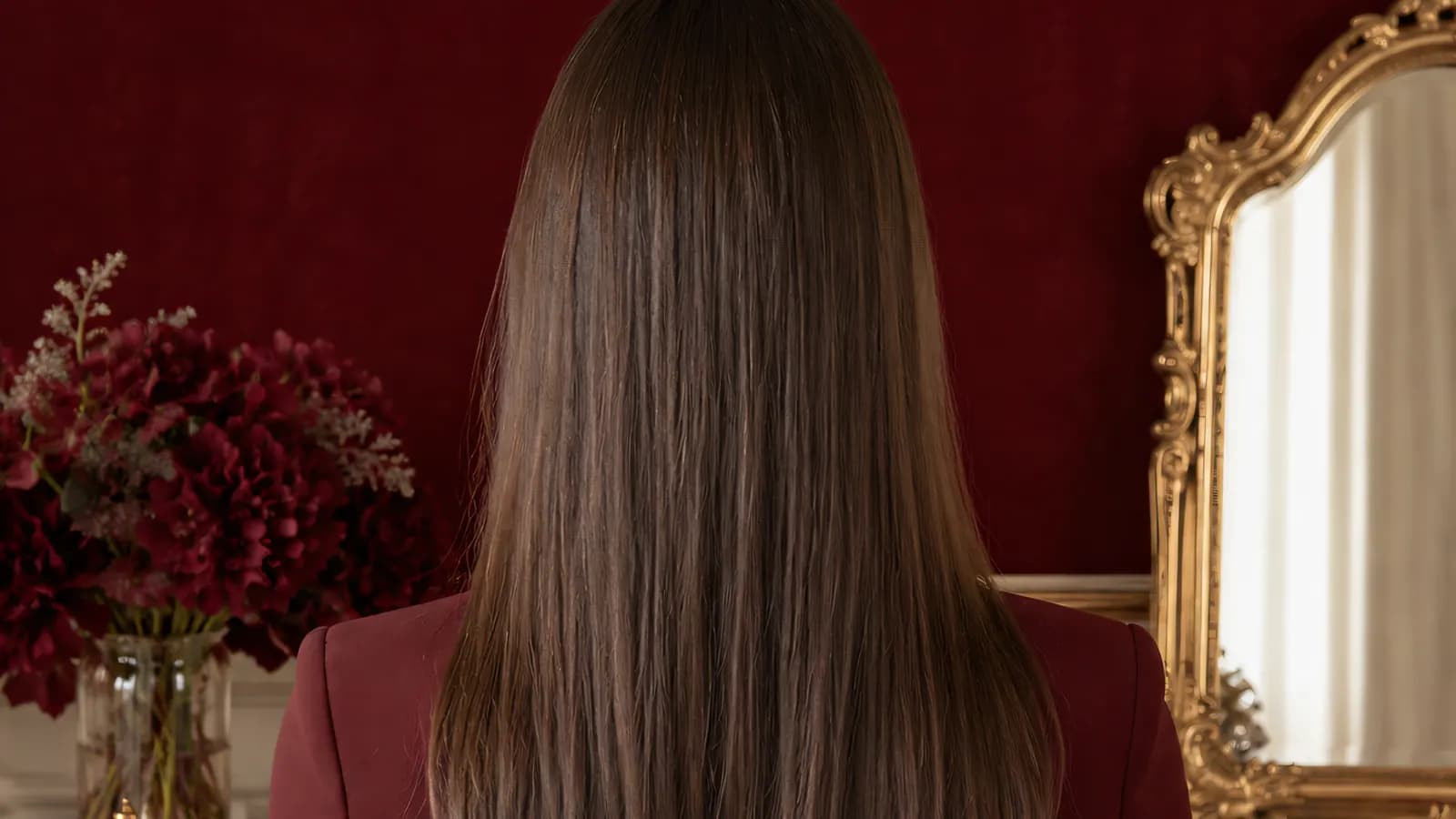
The sleek blow-dry is the most radiant finish in dry weather. But on a perfectly straight surface, the slightest root that puffs up or end that frizzes shows: in damp weather, the straightener option, to tick when booking, gives a cleaner finish.
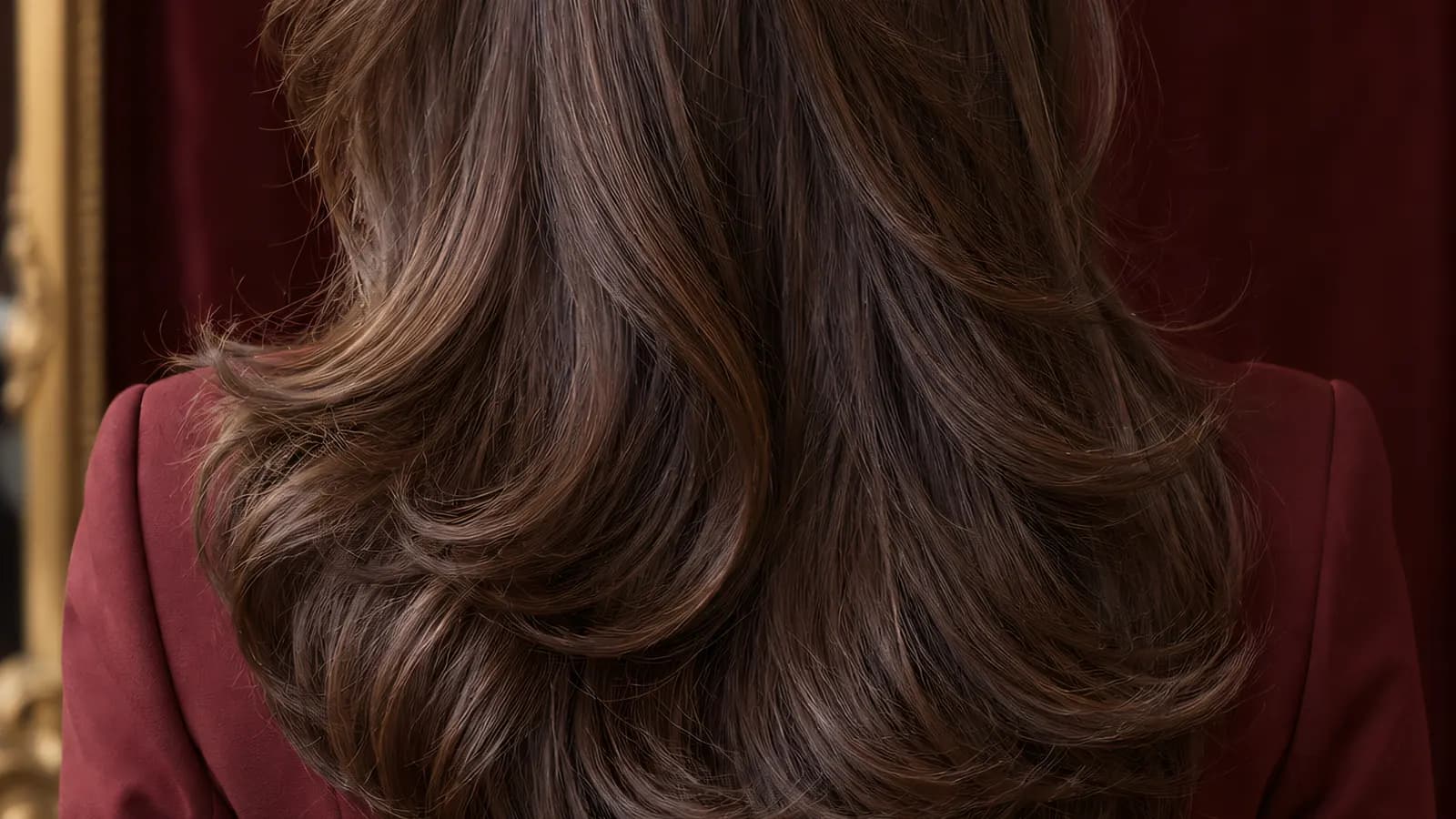
The soft finish, for its part, stays true to the spirit of the hairstyle when humidity relaxes its ends. If you're hesitating between the two, our guide sleek or soft blow-dry will help you decide.

Outdoors: the gestures that save it
A well-made blow-dry holds up better, but it still has to cross the city.
- A loose hood or a loosely knotted scarf. A soft fabric placed without tightening protects without flattening. Avoid hoods pulled tight with a drawstring, which leave a mark on the root.
- An umbrella, even for a few minutes. A short shower is enough to dampen the root.
- Hands away from the hair. Every pass of the fingers brings warmth and humidity and speeds up the return to natural.
- A soft hair tie in your bag. If the weather really turns, a loose low ponytail or a soft bun protects the lengths and, once undone, leaves a lovely movement.
If the rain catches you out
Don't rub.Pat gently with a scarf or a tissue, then wait until you're indoors.
Dry the root.With the hairdryer, on warm air, until it is completely dry.
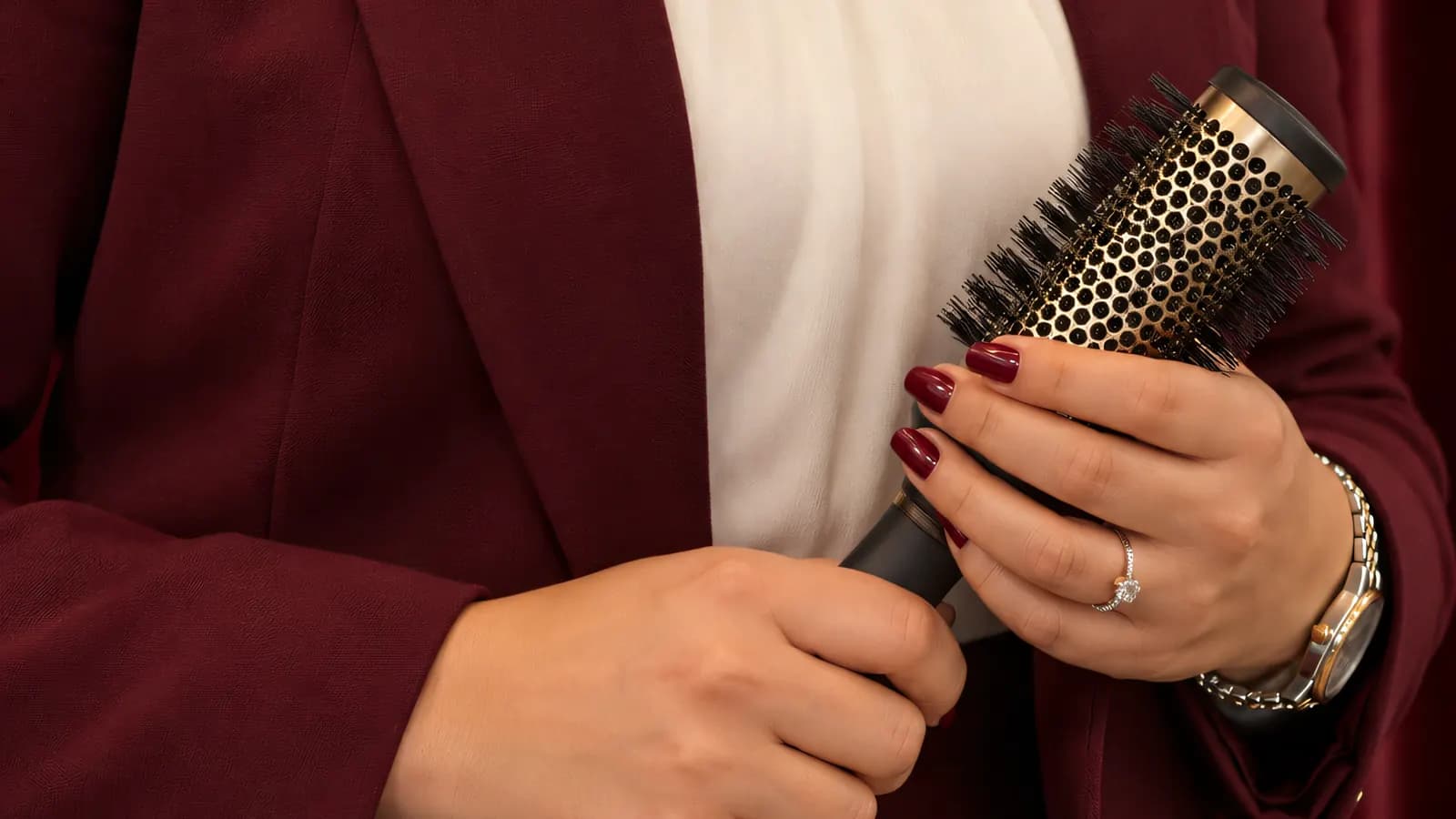
Redo the sections.With a round brush, only those that have moved.
Cool them down.Each section on cold air: that is what sets the shape again.
At home: what really helps
A blow-dry doesn't only wear out outdoors.
- The bathroom is the most humid room in the house. A shower cap, a door left ajar and a slightly cooler shower make a real difference.
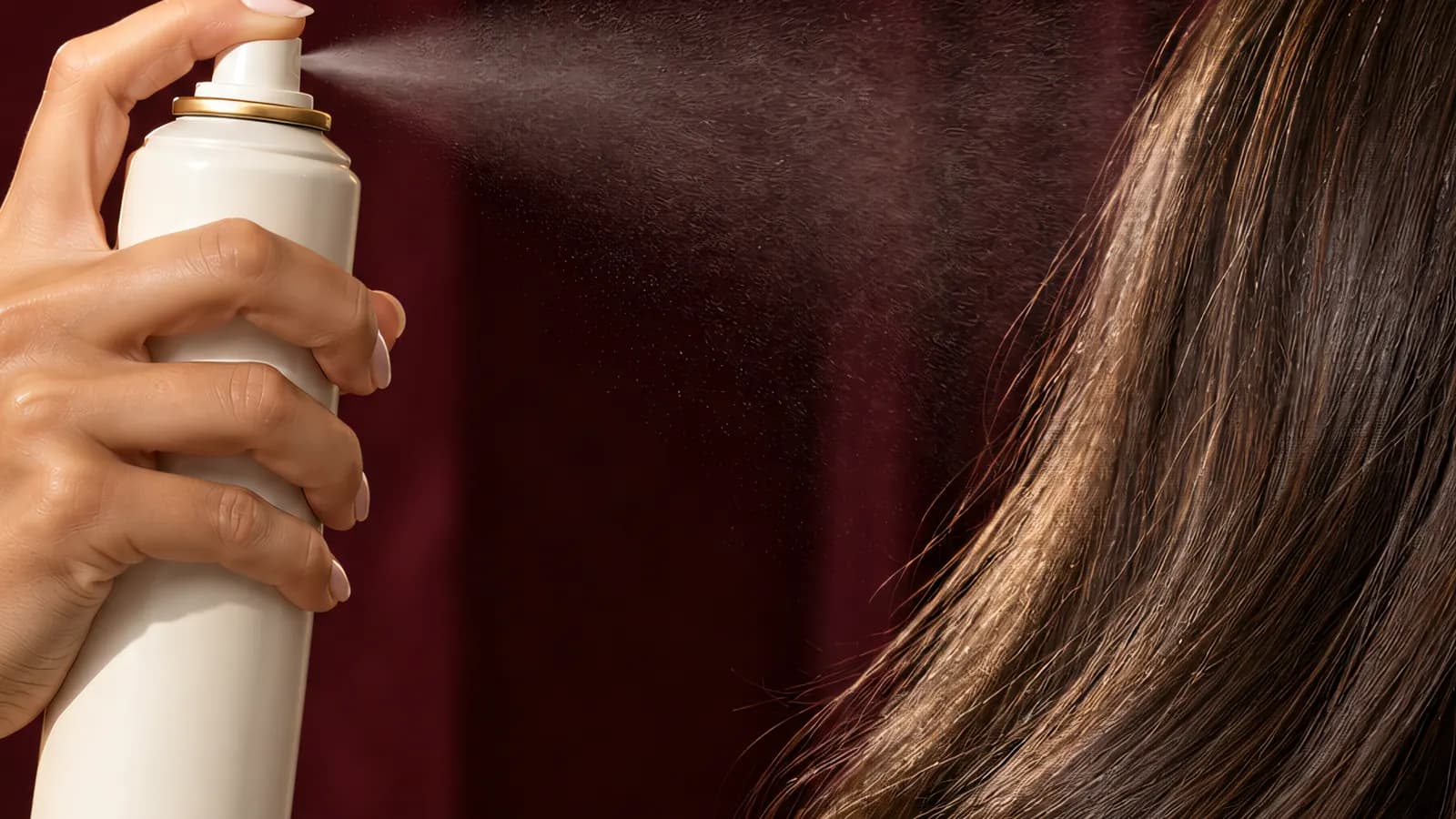
- An anti-humidity spray, misted lightly over the lengths, creates a fine barrier. It slows the absorption of humidity, it doesn't prevent it.
- At night, a silk or satin pillowcase limits friction, which damages the shape as much as humidity does.
To find out how many days you can hope for depending on your hair and your habits, read how long a blow-dry lasts.
Booking with an eye on the forecast
The Lausanne forecast is checked like a diary. For an important occasion, book your slot in advance, then adjust if needed: a cancellation or a postponement is still possible by giving at least 24 hours' notice before the appointment.
Come with clean hair, without oil, serum or styling product, and plan something to cover up for the journey home. The address is Avenue d'Yverdon 4, 1004 Lausanne.
For hair that is neat and glossy, book your sleek blow-dry, and consider the straightener option if autumn looks humid.
Frequently asked questions
- Is an anti-humidity spray enough to protect a blow-dry?
- It helps, but it doesn't do everything. It slows the absorption of humidity; how well the style holds depends above all on drying completely down to the root and on protecting gestures outdoors.
- Should you postpone your blow-dry if it's raining?
- Not necessarily: a loose hood and an umbrella are often enough for the journey. If you'd rather move it, postponement is possible by giving at least 24 hours' notice before the appointment.
- Which finish holds best in damp weather?
- The soft finish ages most gently, and iron curls give curls that last longer than with the brush. Sleek remains possible, ideally with the straightener option and good protection outdoors.
Did you enjoy this article?
Send it to a friend who is hesitating between two finishes, or keep it for later.